









Coeliac disease is
- A serious lifelong autoimmune disease
- Not a food preference or intolerance
- Associated with more than 200 symptoms and presentations
- Diagnosed by blood tests, specialist assessment and small bowel biopsy
- Managed with a strict lifelong gluten-free diet


The hidden cost of delayed diagnosis
Undiagnosed coeliac disease can result in:
- Years of unexplained symptoms
- Reduced quality of life
- Lost productivity
- Increased healthcare utilisation
- Increased risk of otherwise preventable long-term health complications

The hidden symptoms of coeliac disease
Coeliac disease presents differently in everyone, and some signs are easy to miss. These hidden symptoms mean that hundreds and thousands of Australians may be living with coeliac disease without knowing it.
Ongoing fatigue can have many causes
Persistent tiredness is sometimes reported by people later diagnosed with coeliac disease. If fatigue is affecting your daily life, it may be worth discussing with your healthcare professional.
Coeliac disease may affect mental wellbeing
Some people with undiagnosed coeliac disease report experiencing mood changes, anxiety, or depression. If you have ongoing concerns about your mental health, speaking with a healthcare professional is recommended.
Skin changes may be linked to coeliac disease
For some people, gluten exposure can trigger conditions such as dermatitis herpetiformis. Any unusual or persistent skin symptoms should always be assessed by a medical professional.
Bone health matters
Untreated coeliac disease can affect the body’s ability to absorb key nutrients, which may contribute to reduced bone density and conditions such as osteopenia or osteoporosis. Screening may be recommended following diagnosis to support long term bone health.
Family history increases risk
First-degree relatives of someone with coeliac disease have a higher likelihood of developing the condition and may benefit from screening conversations with their doctor.
Do not remove gluten before testing
If coeliac disease is being investigated, continuing to eat gluten is important for accurate test results. Always seek medical guidance before making dietary changes.
Why early diagnosis matters

Early diagnosis of coeliac disease can help prevent long term health complications and give people clarity about the steps needed to manage their condition confidently.
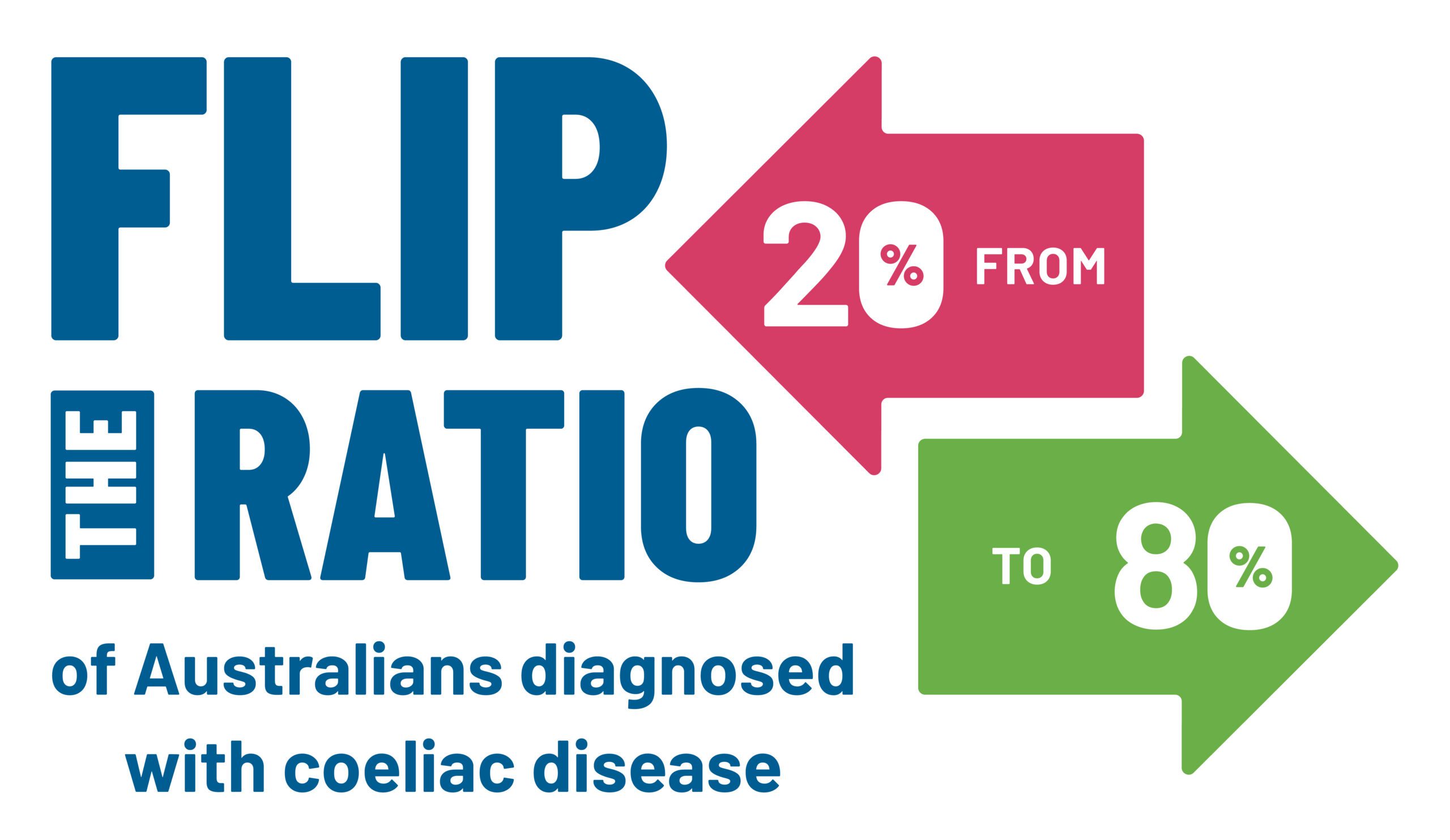
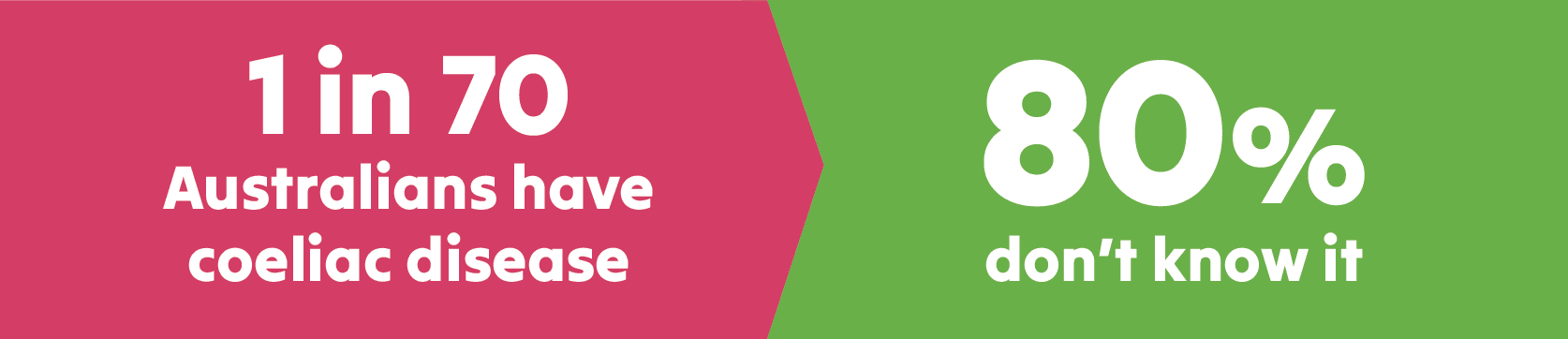
Yet many Australians remain undiagnosed for years, often while experiencing symptoms they cannot explain.
Improving early detection is a growing focus for Coeliac Australia. We are proud to support research initiatives helping to strengthen understanding of coeliac disease and explore opportunities for earlier identification, including emerging screening approaches.
Because when coeliac disease is identified sooner, better health outcomes can follow.
How you can help


Real stories. Real impact.
Our ambassadors help raise awareness by sharing their lived experience with coeliac disease, helping more Australians recognise the signs and seek support sooner.
Meet our ambassadors