







Could it be coeliac disease?
There may be more than meets the eye.

Coeliac disease affects around 1 in 70 Australians, yet an estimated 80% remain undiagnosed.
This Coeliac Awareness Week, we are encouraging Australians to look beyond the obvious and ask: could it be coeliac disease?
The signs aren’t always obvious
Coeliac disease may affect more than the gut, with signs that are often overlooked or attributed to other causes, such as fatigue, mouth ulcers and skin rashes.
- Takes around 2 minutes
- Clinically informed
- Free and confidential

Access your member offers
Not a member?
Join today to access exclusive offers
and trusted support.
Look beyond the surface
Coeliac disease presents differently in everyone, and some signs are easy to miss. Understanding the broader picture can support earlier conversations with your doctor.
Ongoing fatigue can have many causes
Persistent tiredness is sometimes reported by people later diagnosed with coeliac disease. If fatigue is affecting your daily life, it may be worth discussing with your healthcare professional.
Coeliac disease may affect mental wellbeing
Some people with undiagnosed coeliac disease report experiencing mood changes, anxiety, or depression. If you have ongoing concerns about your mental health, speaking with a healthcare professional is recommended.
Skin changes may be linked to coeliac disease
For some people, gluten exposure can trigger conditions such as dermatitis herpetiformis. Any unusual or persistent skin symptoms should always be assessed by a medical professional.
Bone health matters
Untreated coeliac disease can affect the body’s ability to absorb key nutrients, which may contribute to reduced bone density and conditions such as osteopenia or osteoporosis. Screening may be recommended following diagnosis to support long term bone health.
Family history increases risk
First-degree relatives of someone with coeliac disease have a higher likelihood of developing the condition and may benefit from screening conversations with their doctor.
Do not remove gluten before testing
If coeliac disease is being investigated, continuing to eat gluten is important for accurate test results. Always seek medical guidance before making dietary changes.
Why early diagnosis matters

Early diagnosis of coeliac disease can help prevent long term health complications and give people clarity about the steps needed to manage their condition confidently.
Yet many Australians remain undiagnosed for years, often while experiencing symptoms they cannot explain.
Improving early detection is a growing focus for Coeliac Australia. We are proud to support research initiatives helping to strengthen understanding of coeliac disease and explore opportunities for earlier identification, including emerging screening approaches.
Because when coeliac disease is identified sooner, better health outcomes can follow.
How you can help this Coeliac Awareness Week?
Coeliac disease presents differently in everyone, and some signs are easy to miss. Understanding the broader picture can support earlier conversations with your doctor.
1
Take the self assessment
Understanding your risk could change your life.
2
Share the message
Download the campaign assets and help raise awareness in your community.
3
Support the cause
Become a member or donate to help fund research, advocacy, and trusted support services.
Real stories. Real impact.
Our ambassadors help raise awareness by sharing their lived experience with coeliac disease, helping more Australians recognise the signs and seek support sooner.
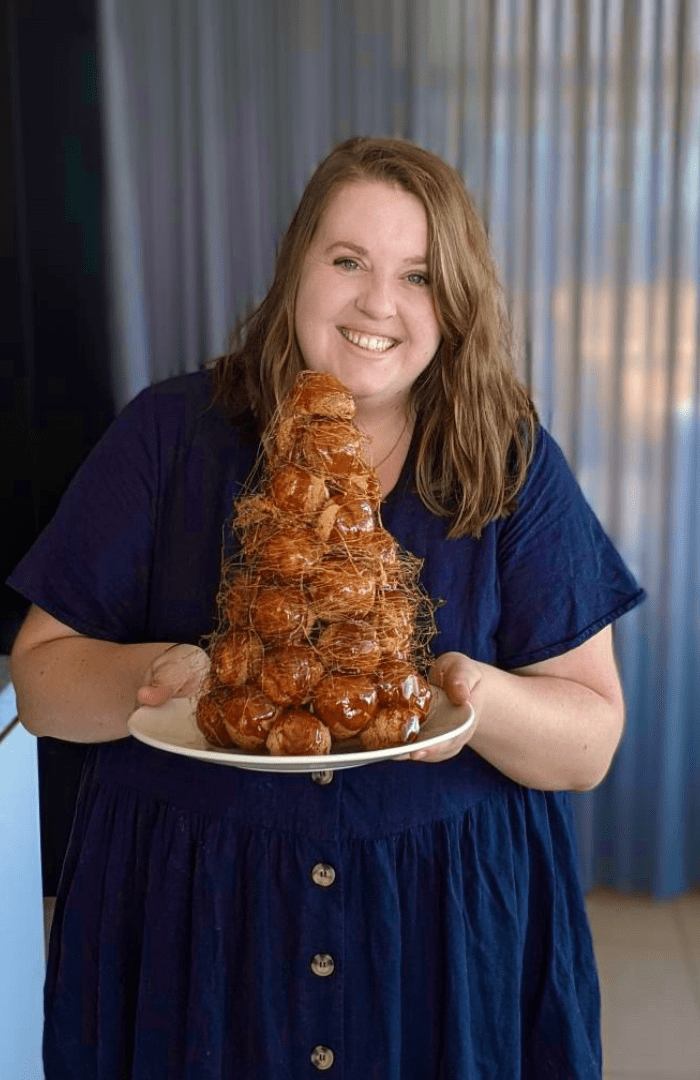
Melanie Persson
I was diagnosed with coeliac disease when I was 22 and it came as a complete surprise. I’ve had Hashimoto’s (an autoimmune disease affecting the thyroid) since I was about 9, and it was during a routine check-up over a decade later that coeliac disease was flagged as a potential issue. I was completely asymptomatic at the time, so I don’t think I really believed it was a possibility. I went through with the endoscopy, convinced that the whole thing was just a mistake – that there was no way I would have to give up gluten for the rest of my life. I came to after the procedure to be told on the spot that we didn’t need to wait for the biopsy results to be sure that I did in fact have coeliac disease, that there was significant damage to my small intestine, and that I’d need to start making changes straight away.
I think being asymptomatic made it even harder to wrap my head around all the new restrictions and changes to my lifestyle. From conversations I’ve had with other coeliacs, at least the switch to being GF generally comes with very noticeable changes to their daily wellbeing. Although I knew it was important to cut gluten out, it was hard to be strict when eating gluten wouldn’t make me feel terrible (at least at first, I’ve since developed a very strong reaction to gluten)!
Food has always been significant for me – I love cooking and have done since I was a kid. I love to eat out with friends or cook feasts at home, so finding out about my diagnosis was a huge blow and it really took some time to get my head around it. Luckily, my friends and family have always been really supportive and were understanding about the changes that had to be made to accommodate me. I’m also really glad that my diagnosis happened at a time when social media was a big part of many of our lives. I found joining local Facebook groups to be incredibly helpful, and I learned a lot about living with coeliac disease in those and from content creators online. That’s partly why I started sharing my own story and recipes on social media – to try and contribute to that community, particularly for people who are newly diagnosed and facing some big changes. I want to encourage people to see that delicious food is still on the table post-diagnosis and that our lives don’t have to be negatively impacted by coeliac disease.
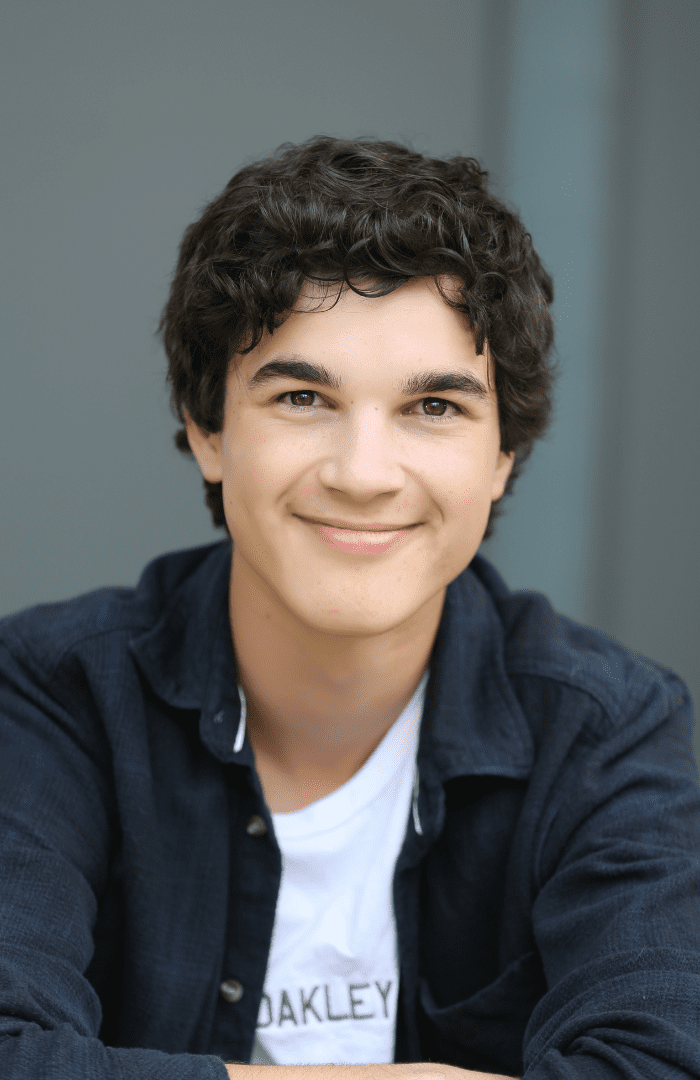
Isaac Tulemija
Isaac, now aged 16, has lived with coeliac disease since the age of 6. He’s been around long enough to know the ins and outs of living a strictly gluten-free life! His parents encouraged him from a young age to read labels himself and ask as many questions as required to determine if food was safe for him to eat. Isaac’s journey to diagnosis began with what was thought to be a stomach bug as well as feeling tired and unwell. However, Isaac’s thorough GP soon discovered that there was more to it. An immediate referral and appointment to a paediatrician quickly led to blood tests with a coeliac serology and a check of Isaac’s iron levels. With that came some obvious results of coeliac disease and iron deficiency (later confirmed with a biopsy).
Isaac shares that the biggest challenge he has always faced has been when eating out unexpectedly. Being in larger cities isn’t so much an issue with many more options now available, as well as positive experiences from previously eating out at establishments. More recently, family road trips along the east coast of Australia have proved a little more challenging. This is due to smaller towns and cities and some remote areas. But with 3 trips and 21,000 km behind him, Isaac found some smaller towns had enough gluten-free options and excellent knowledge of cross-contamination. If nothing could be found, the last resort is always going to a supermarket to buy his trusted snacks and meals. Another way to overcome these challenges is to always travel with a car fridge and carry pre-prepared meals – that way you can never be let down!
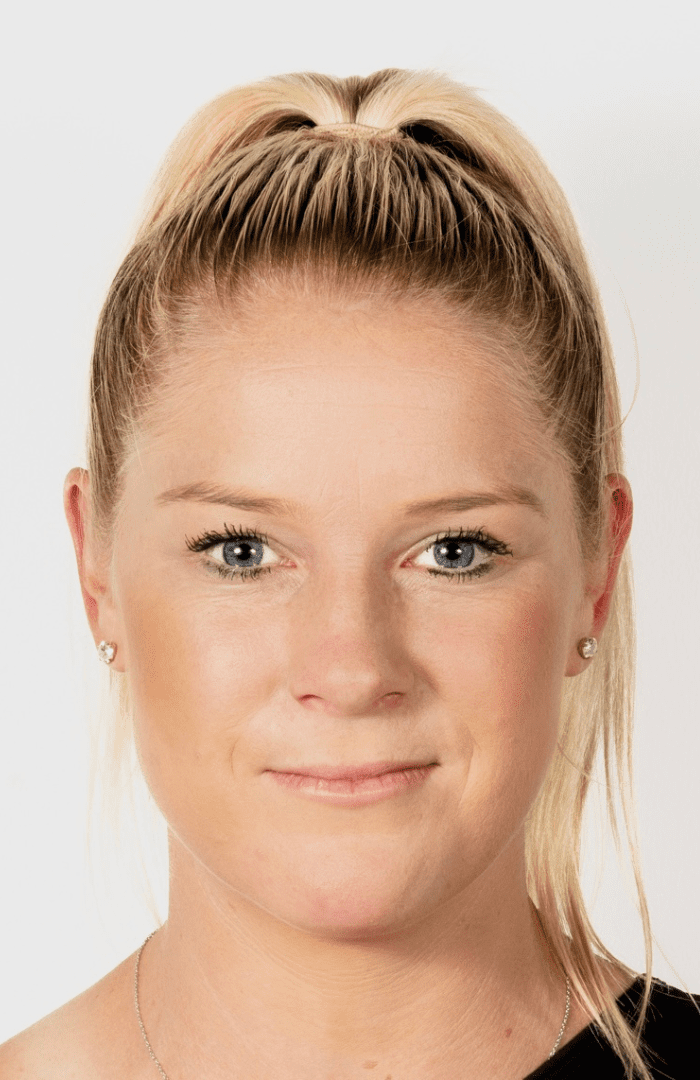
Brooke Buschkuehl
When my symptoms started in 2011, I was in year 12 and I had to drag myself out of bed every morning to get myself to school. I was experiencing terrible fatigue, reflux, severe bloating, diarrhoea, and brain fog. These symptoms lingered all through 2012 and into 2013. Throughout this period I was back and forth at the GP with my mum Paula trying to figure out why I was experiencing all these symptoms. I had multiple blood tests done and all that would show up each time were iron, vitamin D and Vitamin B12 deficiencies. Although these deficiencies needed to be addressed, i knew it was more than this.
In May 2013 my fatigue, stomach pains, bloating and reflux continued to worsen so my mum took me back to my GP who advised me to see a gastroenterologist. The gastroenterologist mentioned i may have coeliac disease and sent me for a blood test and gastroscopy to verify. My mum and i had never heard of coeliac disease before, however after a quick google, we quickly realised that a lot of the symptoms i was presenting were similar to what we were reading. Low and behold, my gastroscopy and blood test results confirmed I had coeliac disease. My diagnosis was a huge relief after struggling for so long and it finally felt like there was light at the end of the tunnel. I remember the frustration i felt after realising that not one doctor thought to test me for coeliac disease. The first thing my mum and i did after my coeliac diagnosis was become a member of Coeliac Australia. We even popped by the Coeliac Australia office in Melbourne & i very clearly remember how helpful and supportive everyone was. Being a member of Coeliac Australia certainly made the transition to a gluten free diet so much easier for me.
Prior to my coeliac diagnosis, my quality of life was significantly impacted, as was my athletic performance. I was on track to qualify for the London 2012 Olympic Games in the women’s long jump, however my body really let me down in the lead up to these games and my performances started to suffer because I was so unwell. As devastating it was to miss out on the London Olympics, once diagnosed with coeliac disease, i began to feel myself again and once my body began to heal i was back competing at my best in no time. Since my Coeliac diagnosis in 2013, I have competed in two Olympic Games (Rio & Tokyo) & i am in the process of qualifying for my third. I have broken the Australian long jump record twice & hold the current record with a distance of 7.13m. I have won two Commonwealth Games silver medals on the Gold coast & in Birmingham and i have competed at 5 World Championship events. Living with coeliac disease as a professional athlete can be quite challenging, however it has not once held me back from achieving my sporting goals and dreams.
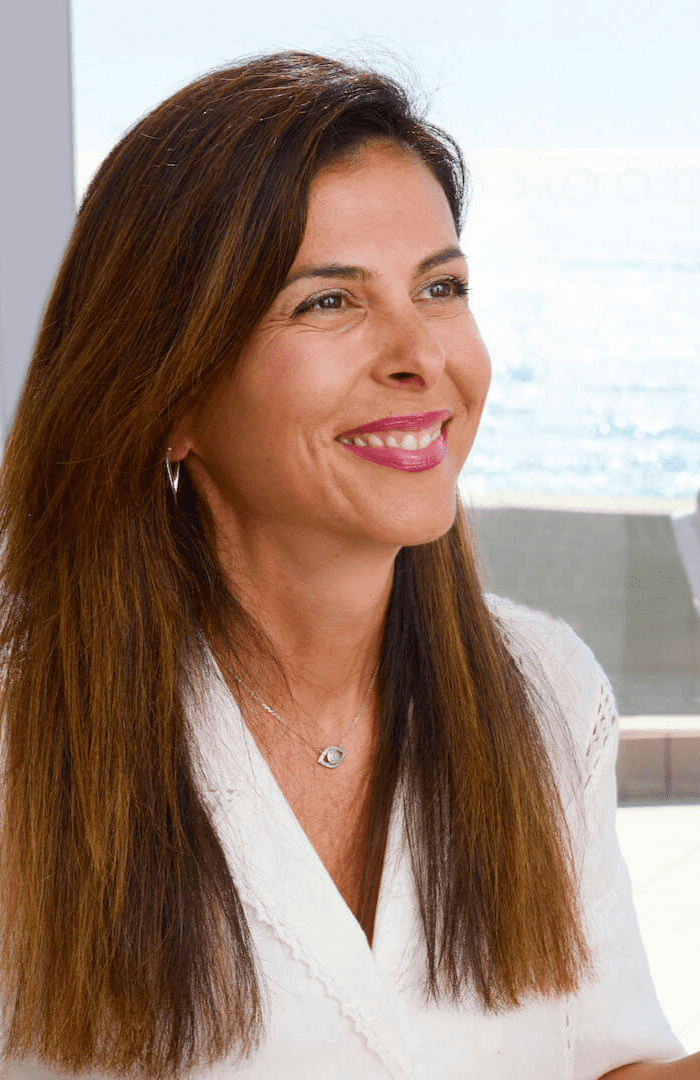
Helen Tzouganatos
I was diagnosed with coeliac disease around 15 years ago during IVF treatment.
I had been trying to get pregnant for three years and was unsuccessful. I was constantly fatigued, I had anaemia, stomach cramps and constant exhaustion.
I spoke to my IVF doctor about my symptoms, and he immediately said it sounded like I had coeliac disease. I didn’t know what it was because it wasn’t well-known at the time. My doctor then explained to me that it was an autoimmune reaction to eating gluten and suggested removing it from my diet to improve my health. He also mentioned that it’d take approximately five years for me to recover and after five years, I fell pregnant naturally.
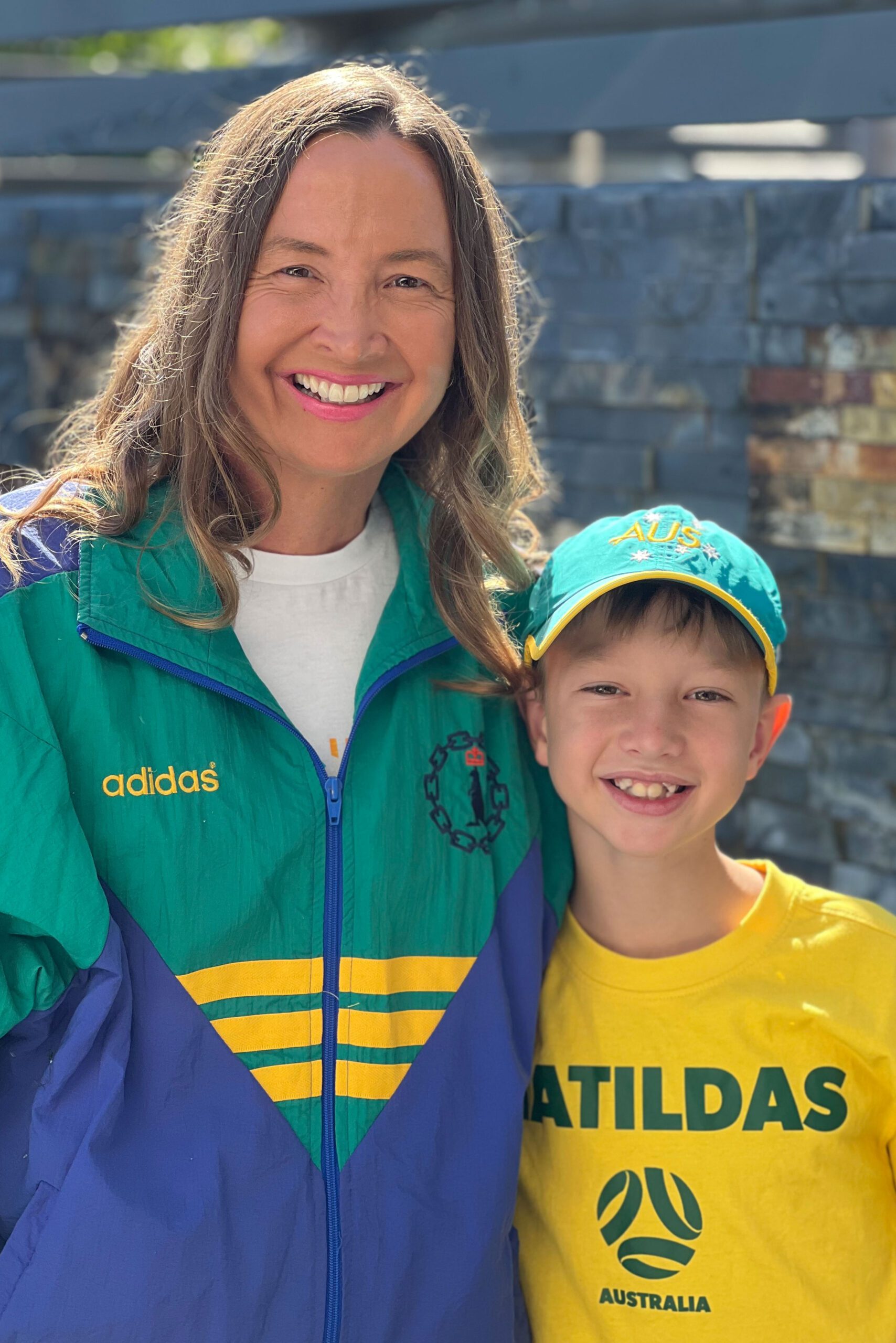
Brooke Hanson and Billy Clarke
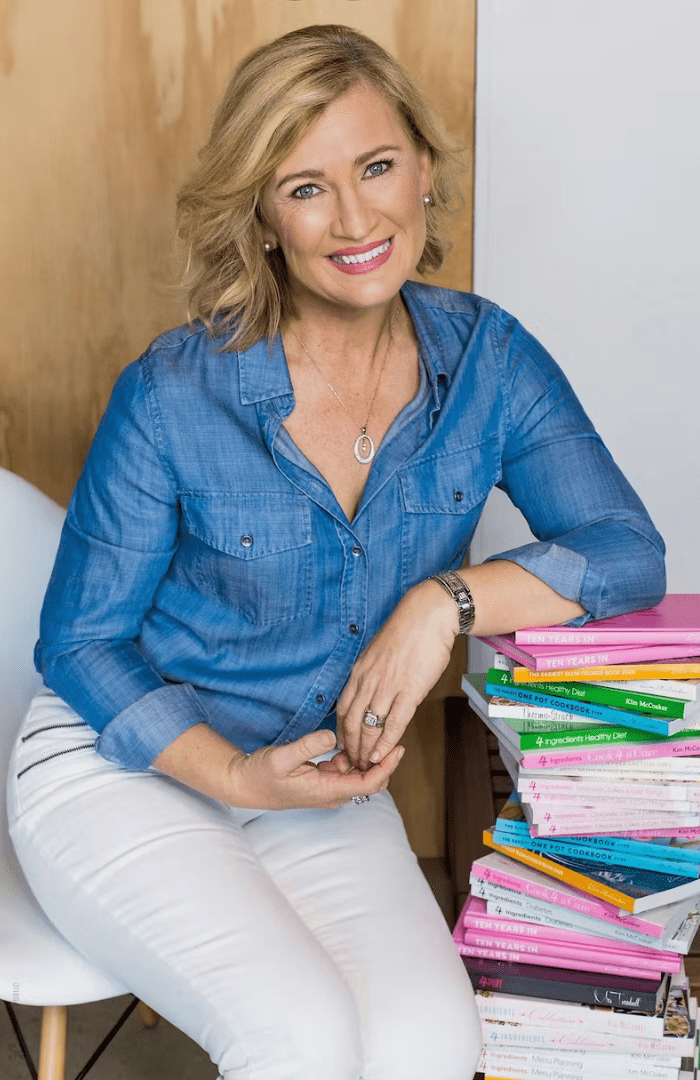
Kim McCosker
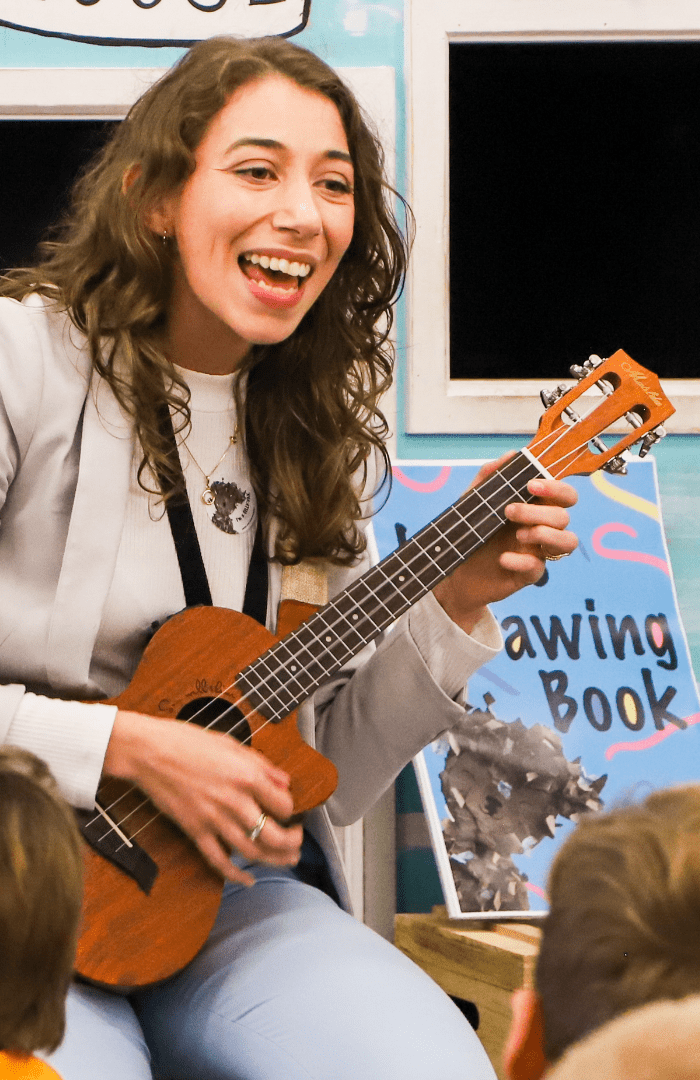
Alex - Jack the Silly Yak
I was thirteen and it started as a cold that I couldn’t shake. I had no energy and for the first time ever, a real lack of drive to go to school, then after three family friends commented on how pale I looked, we were off to our GP. Where we were met with, “You look like you shouldn’t be walking, somethings up”. I clearly remember a rushed and painful blood test followed by a panicked call from our GP rushing us straight to emergency, where he said a team was waiting for us. It was terrifying.
I spent a week in the John Hunter Children’s Hospital, my week was full of Mum keeping me busy with craft and reading between entertaining Captain Starlight visits masking the numerous meetings with different doctors, numerous tests and theatre visits. After loads of serious
conversations with a range of Doctors, I was eventually diagnosed with Coeliac Disease, Ulcerative Colitis and Autoimmune Hepatitis which was later re-diagnosed as Primary Sclerosing Cholangitis.
It was a lot and these illnesses affected me in every way possible, socially, emotionally and of course, physically. Even at that young age, I spent a long time wondering what the future held, being sick was new to me and it changed everything I did, said and thought and felt.
I spent my teenhood and early twenties struggling to find a balance between changing medications, never ending tests, hospital visits and my passion for the creative arts and having fun, and really, just normality.
I have steadfast, loving parents, and an amazing medical team who saw me as a person first and patient second and they all encouraged me with all my crazy creative ventures, ideas and dreams.
I knew this experience was unique and it fundamentally changed who I was though I always remain proud and grateful for the positive relationship I had with the hospital and its staff.
Storytelling and performing is in my blood and when I got sick, I found my creativity was a wonderful way to express, connect and talk about everything I was experiencing.
I wrote and performed songs and immersive experiences, and then, a children’s book. And, with that Jack the Silly Yak, my life’s passion, was born.
Jack is a little Yak with Coeliac Disease, and he loves to be silly, and together we raise awareness and create representation for Aussie kids living with Coeliac Disease, along with their communities, through play and creativity.
Jack and I use what children love, to encourage, empower and educate, we have songs, online shows, live interactive performances, colouring-in, activity books and we have so much more planned. I am so thrilled to be on this journey with Coeliac Australia, follow along Big-Yaks the fun is just beginning.
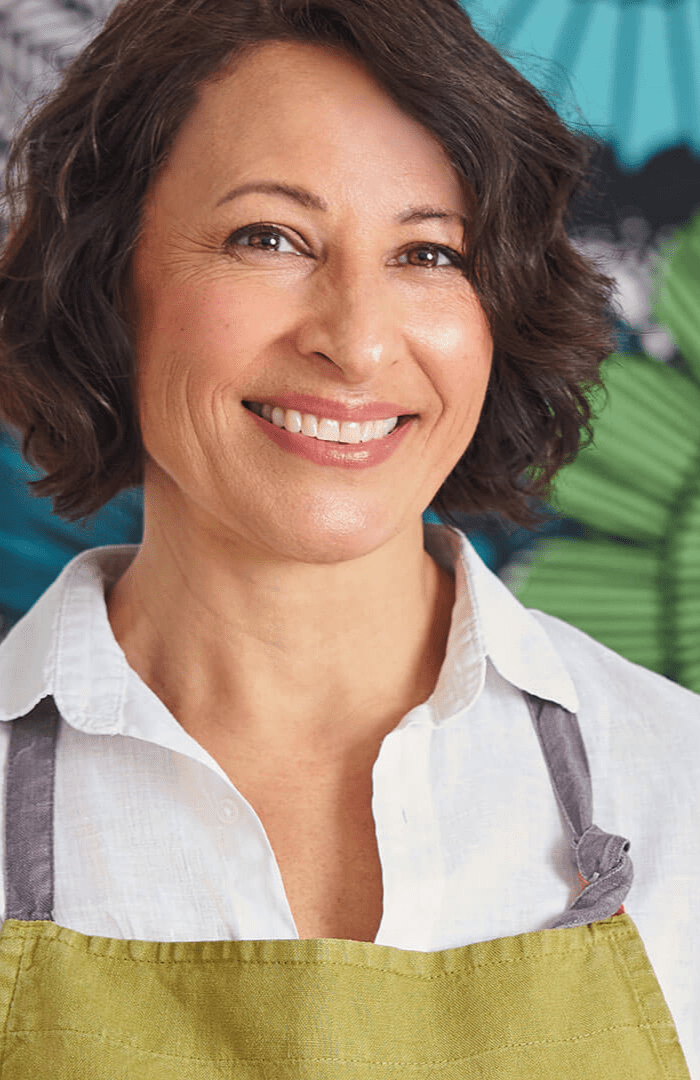
Cherie Lyden
It was 12 years ago that I was diagnosed as a latent coeliac. I was seeing an Endocrinologist for Hypothyroidism, which started after the birth of my second child. It was at least two years after my first visit that she suggested I get tested for Coeliac Disease as it’s quite common to have Hypothyroidism with Coeliac Disease. I didn’t have any obvious symptoms and had no known family history. The blood test came back positive for Coeliac Disease (CD). My antibodies were considered high, so off I went to see a Gastroenterologist for a confirmed diagnosis and endoscopy. The endoscopy was normal, at least for the moment. I was instructed to start a lifelong strict gluten-free diet (only treatment for CD) as it would only be a matter of time before I would have full blown coeliac disease. The diagnosis was also based around my family history with autoimmune conditions, my father being Dutch (we think he was the CD gene carrier though he didn’t know it) and as well my great grandfather on my mother’s Polynesian side being Irish. Apparently being Irish or having Irish genes can increase your chances of having the CD gene. Since diagnosis, I’ve also become intolerant to soy which is the main reason we don’t use soy flour or tofu in any of our baked goods at Wholegreen Bakery.
These days if I am glutened out and about, I start to feel sleepy almost immediately, bloated, then the stomach pains start and usually results in diarrhoea. Not great but pretty mild reaction compared to so many other stories I’ve heard from many of our customers. This is one of the reasons why I created Wholegreen Bakery…a safe place to eat for those with coeliac disease.
Stronger Together
As the only national charity dedicated to coeliac disease, Coeliac Australia has been supporting Australians for 45 years, including more than 50 years of impact across NSW. We stand beside people at every stage of their journey, from awareness and diagnosis through to lifelong management.
Our work is powered by members and donors who share our vision for earlier diagnosis, stronger support, and better outcomes.
Join us or make a donation today and help change the future of coeliac disease in Australia.

Join us or make a donation today and help change the future of coeliac disease in Australia.
Ken Barlow
